
Bathroom Flooring Installation
Turn Key Designs provides bathroom flooring installation in DuPage County. Bathroom Flooring Installation in DuPage County Bathroom floors live in one of the most demanding environments in your home.
Free Bathroom Flooring Installation Estimate
No obligation. Response within 24 hours.
Bathroom Flooring Installation in DuPage County
Bathroom floors live in one of the most demanding environments in your home. Constant humidity from daily showers, direct water contact when you step out of the tub, temperature swings between steamy mornings and cold Illinois nights, and regular exposure to cleaning chemicals. The wrong flooring material in a bathroom leads to warping, mold growth, slippery surfaces, and expensive replacement within a few years. The right material performs safely and looks great for decades.
At Turn Key Designs, bathroom flooring is a core component of our bathroom remodeling services. We help homeowners choose the right material for their specific bathroom type and usage patterns, and we handle all subfloor preparation, waterproofing, and installation as part of the project.
Best Bathroom Flooring Materials
Porcelain Tile
Porcelain is the standard for bathroom floors, and for good reason. It is fired at temperatures exceeding 2,200 degrees Fahrenheit, creating a surface that absorbs less than 0.5% water. That near-zero absorption rate means porcelain will not swell, crack, or degrade from decades of daily water exposure. It will not grow mold or mildew. It cleans easily with standard bathroom cleaners without surface damage.
For bathroom floors specifically, we recommend textured or matte-finish porcelain for slip resistance when wet. The Tile Council of North America (TCNA) publishes slip resistance ratings (DCOF values) for tile products, and we specify products that meet or exceed the 0.42 minimum coefficient for wet areas.
Popular tile formats for bathrooms include:
- Large-format (12×24 or 24×24): Fewer grout lines create a clean, modern look and make small bathrooms feel larger. Less grout also means less maintenance over time.
- Mosaic (1×1 or 2×2): More grout lines actually improve traction in wet areas. Mosaic tile is frequently used in walk-in showers and curbless shower designs where slip resistance is a priority. Allows for custom patterns and decorative details.
- Wood-look plank tile (6×24 or 8×36): The visual warmth of hardwood flooring with the waterproof performance of porcelain. A popular choice for primary bathrooms where homeowners want the bathroom floor to visually connect with hardwood floors in the adjacent bedroom or hallway.
- Hexagonal tile: A classic shape that works in both traditional and modern bathrooms. Available in matte finishes for floor use and glossy finishes for accent walls.
Luxury Vinyl Plank (LVP)
Luxury vinyl plank is a rapidly growing choice for bathroom floors. It is 100% waterproof, warm underfoot (unlike tile), comfortable to stand on, and installs quickly. Rigid-core SPC vinyl handles the humidity and direct water exposure of a bathroom environment without issue.
LVP is especially popular for guest bathrooms, powder rooms, half baths, and basement bathrooms where the warmth and comfort advantages over tile are valued. For primary bathrooms with heavy shower use, we often recommend a combination approach: porcelain tile inside the shower enclosure and on the immediate shower surroundings, with LVP as the main bathroom floor. This gives you waterproof tile where water volume is highest and comfortable LVP where you walk and stand the most.
Ceramic Tile
A more affordable alternative to porcelain with good water resistance. Ceramic absorbs slightly more water than porcelain (typically 3-7% vs. less than 0.5%), so we recommend ceramic primarily for powder rooms and half baths where water exposure is limited to occasional splashes at the sink. For full bathrooms with showers or tubs, porcelain is the stronger choice for long-term durability.
Materials We Do Not Recommend for Bathrooms
- Solid hardwood: Will cup, warp, and eventually rot from bathroom humidity. This is true even with the best finishes and the most diligent maintenance. No exceptions.
- Standard laminate: Not waterproof. One sustained leak from a toilet supply line or a bathtub overflow and the floor is destroyed. The core material swells and cannot be repaired.
- Carpet: Traps moisture, breeds mold and mildew, and harbors bacteria. We have removed moldy bathroom carpet from more homes than we care to count. If a bathroom currently has carpet, replacing it is one of the highest-impact improvements you can make for both hygiene and home value.
Heated Bathroom Floors
In-floor radiant heat is one of the most requested bathroom upgrades in DuPage County. Stepping onto a warm tile floor on a January morning changes the entire bathroom experience. We install electric radiant heat mats under porcelain and ceramic tile floors. The system is controlled by a programmable thermostat that can be set to warm the floor before you wake up.
Typical costs for radiant bathroom floor heating run $800 to $2,000 for a standard bathroom, depending on square footage. The energy consumption is modest because the mats are heating a small area and the tile retains warmth efficiently. This upgrade adds real value to a primary bathroom renovation and is one of the features our clients mention most often after project completion.
Waterproofing and Subfloor Preparation
Proper waterproofing is the most critical part of a bathroom floor installation. Before any tile or LVP goes down, our team completes the following:
- Subfloor inspection: Checking for level, structural integrity, and any signs of existing moisture damage. Bouncy, uneven, or damaged subfloors are repaired or replaced before new flooring is installed.
- Waterproof membrane: We install a waterproof membrane (such as Schluter DITRA or a liquid-applied membrane) over the subfloor to prevent any moisture from reaching the structural framing. This is especially important around shower areas, tub surrounds, and toilet flanges.
- Proper slope: Shower floors must be sloped at a minimum of 1/4 inch per foot toward the drain to prevent standing water. We verify slope with a level before and after tile installation.
- Sealed penetrations: Every point where the floor meets a drain, toilet flange, or fixture supply line is sealed with waterproof membrane material to prevent water migration into the subfloor.
- Curb waterproofing: Shower curbs are waterproofed on all surfaces, including the top, to prevent water from wicking through the curb into adjacent flooring.
All waterproofing work follows the installation standards published by the TCNA Handbook for Ceramic, Glass, and Stone Tile Installation, which is the authoritative reference for tile installation methods in North America.
Bathroom Flooring as Part of a Larger Project
Bathroom flooring is always part of a bathroom remodel, but it also connects to other decisions throughout the project: vanity and countertop selection, shower wall tile, paint colors, and how the bathroom floor transitions to flooring in adjacent rooms. Our interior design team coordinates all finish selections together. When we are doing a whole-home renovation, bathroom flooring is coordinated with the material palette across every room so transitions feel intentional and the home reads as one cohesive design.
Bathroom Flooring Across DuPage County
We install bathroom flooring for homeowners throughout DuPage County, including Lombard, Wheaton, Glen Ellyn, Downers Grove, Lisle, Villa Park, Glendale Heights, Carol Stream, and Winfield. Visit our Lombard showroom to see tile and LVP samples and compare options for your bathroom project. Also see our kitchen flooring page if your renovation includes both rooms.
Schedule your free bathroom flooring consultation or call us at (630) 353-1186.
Bathroom Flooring Installation Projects


Why Choose Turn Key Designs for Bathroom Flooring Installation
One Integrated Team
Your designer and builder work side by side. No miscommunication, no finger-pointing, no delays from disconnected teams.
See It Before You Build It
3D renderings and our luxury showroom let you see, touch, and approve every material before construction begins.
No Surprise Guarantee
Every detail is planned, specified, and priced before we break ground. The number we quote is the number you pay.
Bathroom Flooring Installation FAQ
Project timelines vary based on scope and complexity. A typical project takes 6 to 16 weeks from start to finish. We provide a detailed schedule during your free consultation so you know exactly what to expect.
Our free estimate includes an in-home assessment, design concept discussion, material recommendations, and a transparent line-item proposal. There is no obligation and no high-pressure sales tactics.
Yes. As a licensed general contractor, we handle all permit applications and coordinate every required inspection with DuPage County. You do not need to manage any paperwork or scheduling with the municipality.
Bathroom Flooring Installation Across DuPage County
Other Services You May Need
Kitchen Remodeling
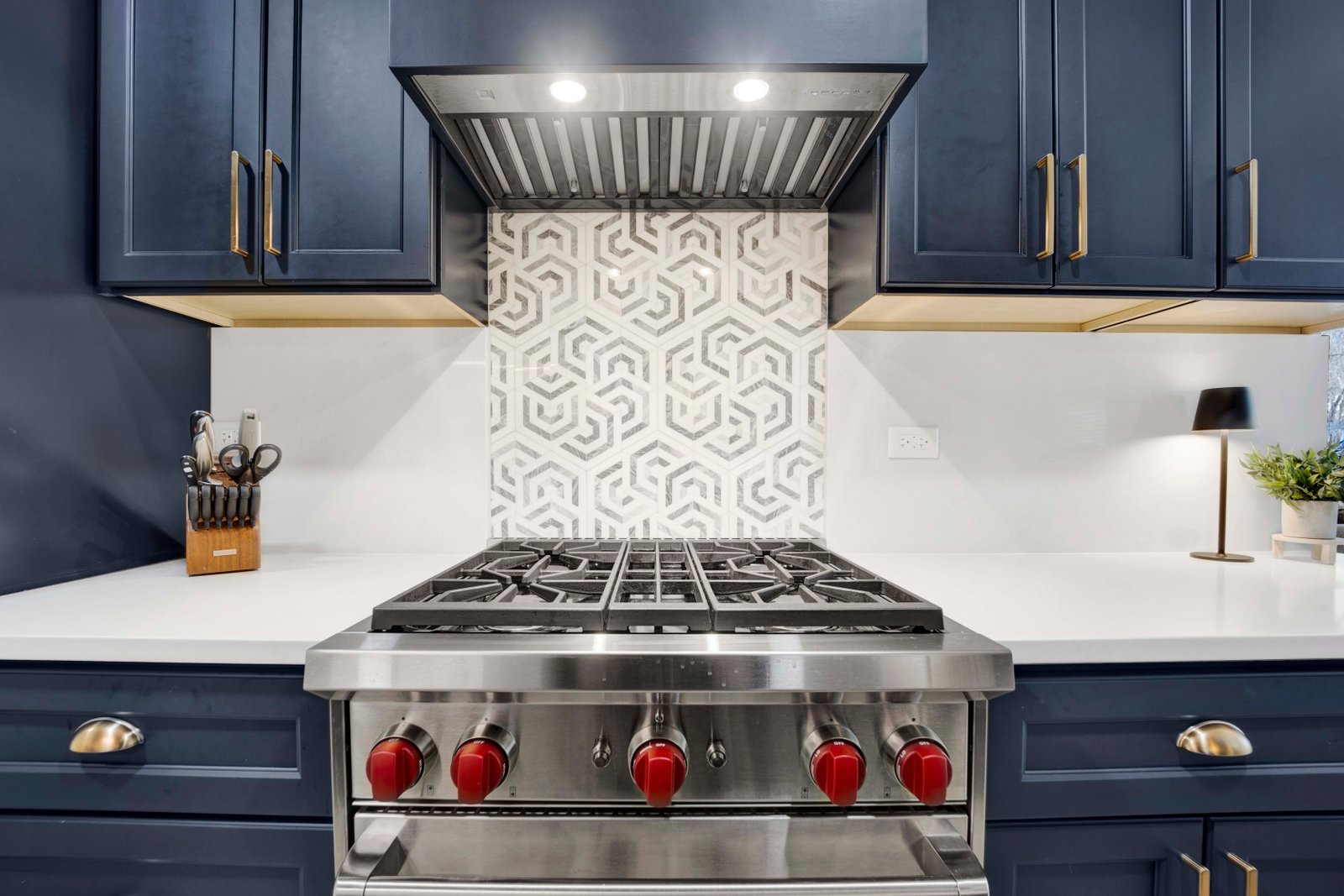
Kitchen Remodeling in DuPage County The kitchen is where most families spend the majority of their time at home.
Learn More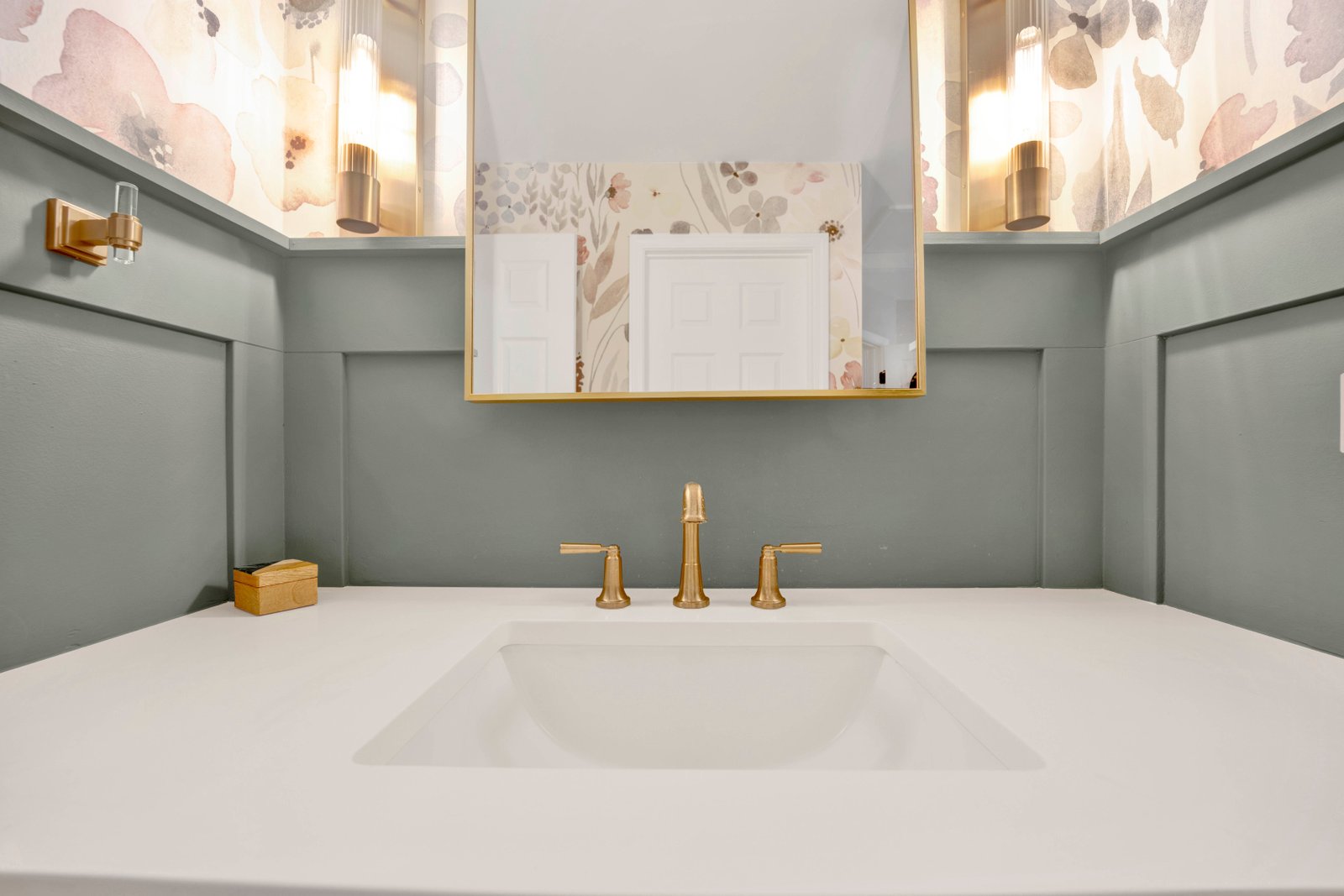
Bathroom Remodeling
Bathroom Remodeling in DuPage County A bathroom remodel packs more decisions per square foot than any other room in the house.
Learn More
Interior Design Services
Interior Design Services in DuPage County Good interior design is not about picking colors from a fan deck.
Learn More